All posts by Beverly Berry

What The Impact is of Hemp Farming

Have you ever wondered about the environmental impact of hemp farming?

In this article, we will explore the importance of hemp farming and the numerous environmental benefits it provides.

From improving soil health and erosion control to reducing pesticide use and conserving water, hemp farming offers a sustainable alternative to traditional crops.

We will also compare hemp farming to other crops like cotton, corn, and soybeans, discuss the challenges faced by hemp farmers, and delve into the future of hemp farming.

Stay tuned to learn more about this promising industry!

What Is Hemp Farming?

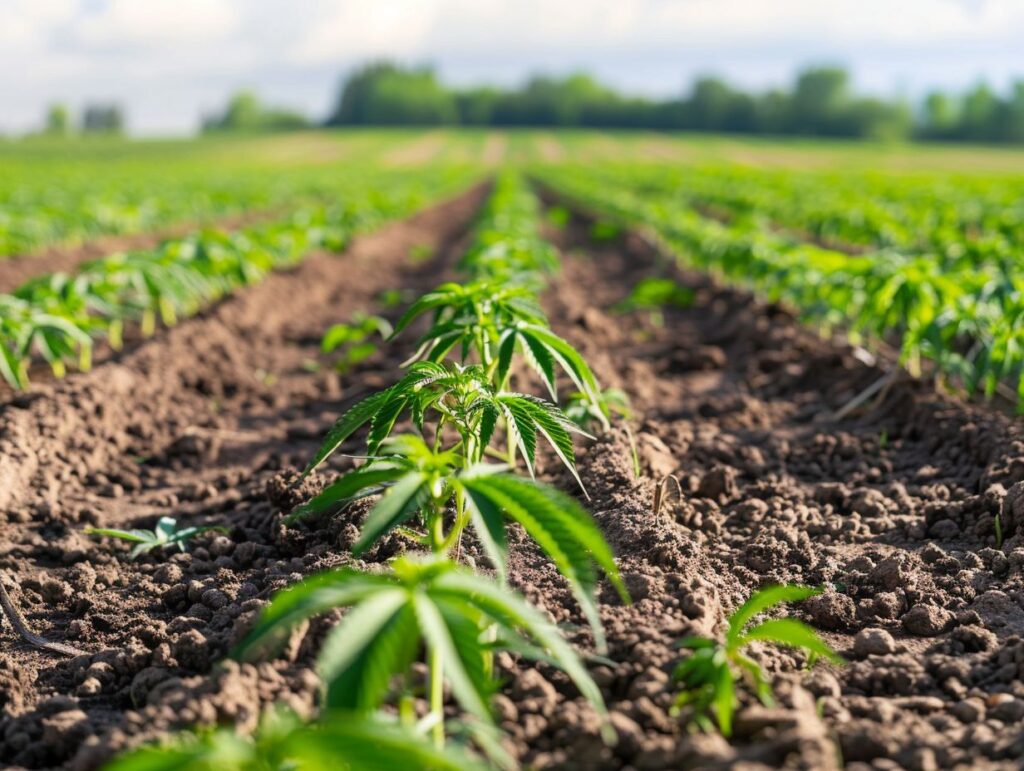
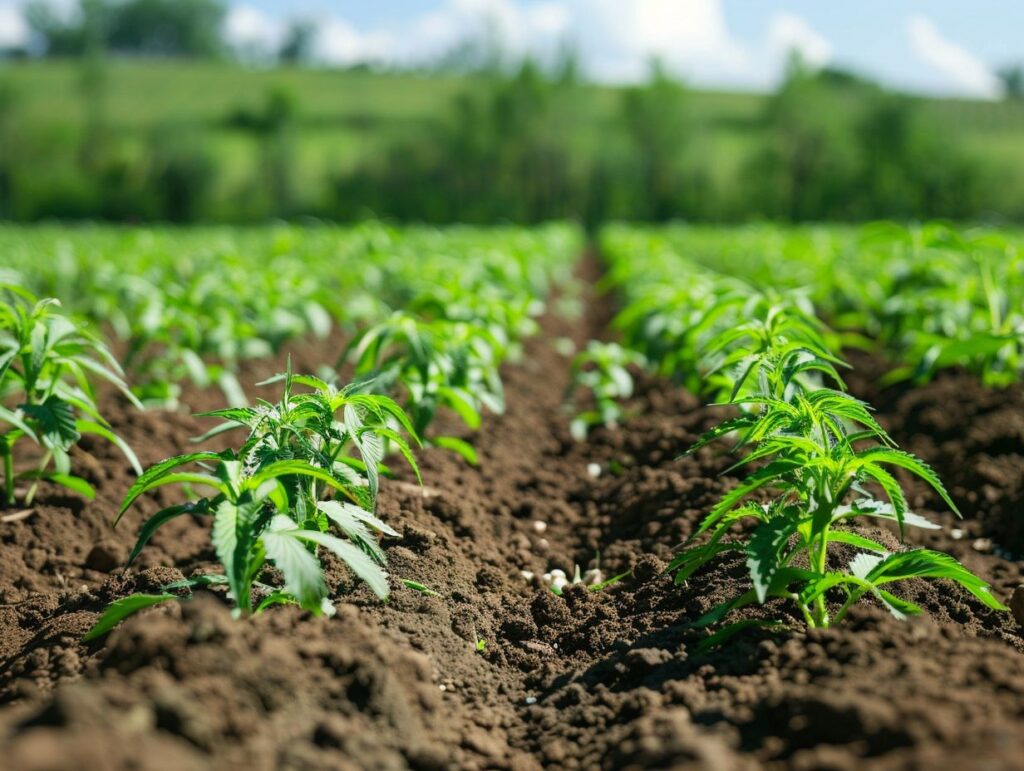
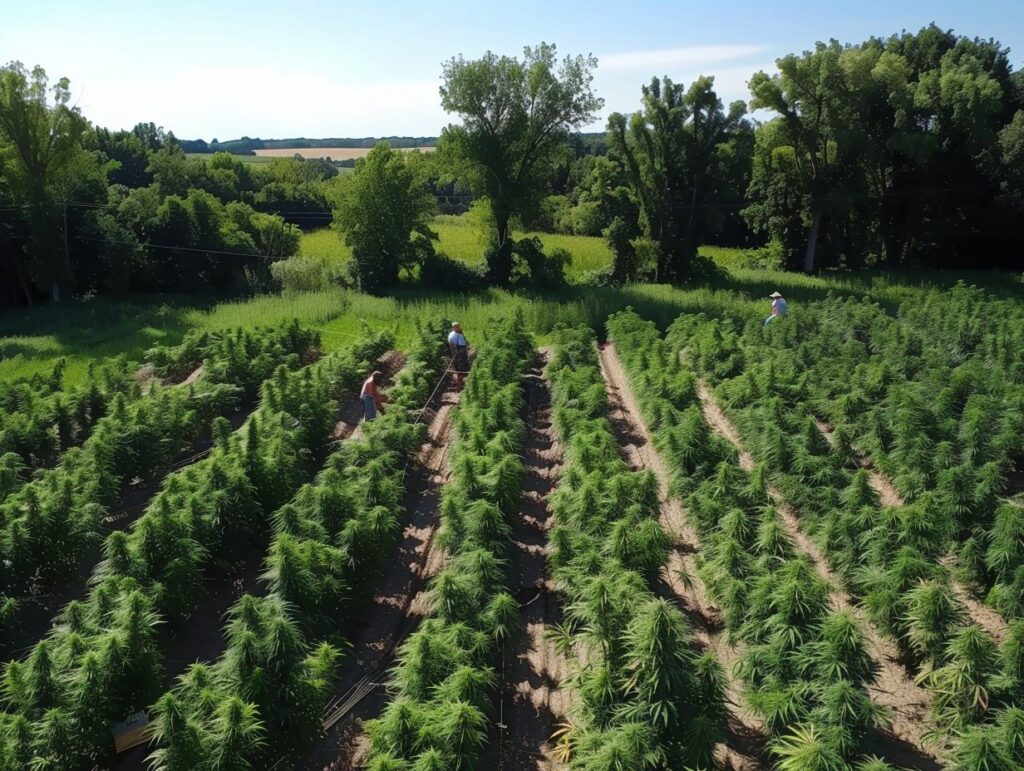
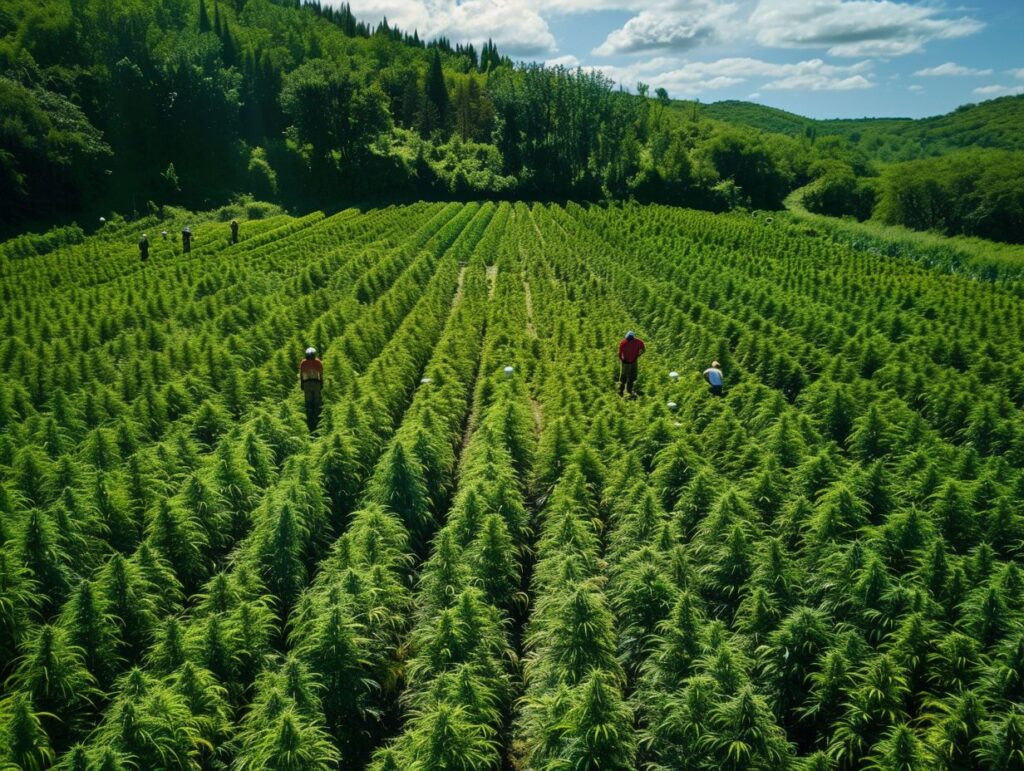
Hemp farming refers to the cultivation of industrial hemp plants for various purposes such as fiber, seed, and extracts. The practice involves growing specific varieties of the Cannabis sativa plant that are bred for industrial use, distinguishing them from marijuana plants.

The primary distinction between hemp and marijuana lies in the levels of THC present in the plants. Hemp typically contains very low levels of THC, the psychoactive compound found in marijuana, making it non-intoxicating. This makes industrial hemp a valuable alternative crop for farmers, offering diverse products such as hemp fibers used in textiles, hemp seeds for food and oil, and extracts like CBD known for their therapeutic benefits. Industrial hemp cultivation is regulated to ensure compliance with legal THC levels and to facilitate its various industrial applications.

Why Is Hemp Farming Important?

Hemp farming holds significance due to its potential contributions to sustainable agriculture and the environment. It serves as a renewable resource with various applications that can benefit multiple industries.

The versatility of hemp extends beyond its use in textiles and building materials to the production of biofuels, biodegradable plastics, and even nutritious food products. By cultivating hemp, farmers can reduce dependency on chemical pesticides and fertilizers, promoting healthier soil and biodiversity.

Hemp crops have a high yield per acre and require minimal water, making them an efficient and eco-friendly option for agricultural production. Embracing hemp farming practices not only supports sustainability but also helps to reduce carbon emissions and mitigate climate change impacts.

What Are the Environmental Benefits of Hemp Farming?

The environmental benefits of hemp farming encompass a range of advantages that contribute to ecological sustainability. From carbon sequestration to biodiversity enhancement and water conservation, hemp cultivation offers a multitude of positive impacts on the environment.

Not only does hemp farming help sequester carbon dioxide from the atmosphere, which is crucial for mitigating climate change, but it also plays a role in promoting biodiversity by providing habitat for various wildlife species. The cultivation of hemp requires significantly less water compared to many other crops, thus aiding in water conservation efforts. These combined benefits make hemp farming a valuable asset in the quest for a more sustainable and environmentally friendly agricultural system.

Soil Health and Erosion Control

Hemp farming plays a crucial role in improving soil health and controlling erosion through its deep root system that helps prevent soil degradation. Hemp cultivation promotes soil remediation and supports sustainable practices like crop rotation.

The deep taproots of hemp plants help to break up compacted soil, allowing for better water infiltration and reducing the risk of runoff and erosion. The natural process of growing and harvesting hemp aids in replenishing nutrients in the soil, making it more fertile for subsequent crops in a crop rotation system. This continuous cycle of planting different crops helps maintain soil structure and fertility over time, contributing to sustainable agricultural practices and long-term soil health improvement.

Carbon Sequestration

One of the key environmental benefits of hemp farming is its capacity for carbon sequestration, wherein the plant absorbs and stores carbon dioxide from the atmosphere. This process contributes to reducing greenhouse gas emissions and aids in overall carbon footprint reduction.

In addition to capturing carbon from the air, hemp plants have deep root systems that enhance soil carbon sequestration. These roots help improve soil structure, which allows for better carbon storage over time. By cultivating hemp, farmers can play a vital role in mitigating climate change by sequestering carbon in both plant biomass and soil. This dual sequestration approach makes hemp farming a sustainable option for addressing greenhouse gas emissions and promoting a more environmentally friendly way to reduce carbon footprints.

Biodiversity and Habitat Conservation

Hemp farming supports biodiversity conservation by providing habitat for various wildlife species and promoting ecosystem restoration. The cultivation of hemp contributes to maintaining and enhancing the natural habitats of diverse flora and fauna.

This sustainable agricultural practice plays a crucial role in creating a thriving environment for a wide array of wildlife, including birds, insects, and small mammals. By cultivating hemp, farmers are indirectly preserving natural habitats and protecting local ecosystems from degradation. Hemp crops act as a natural carbon sink, absorbing CO2 from the atmosphere and helping mitigate the impacts of climate change on wildlife habitat and ecosystem balance.

Reduced Pesticide Use
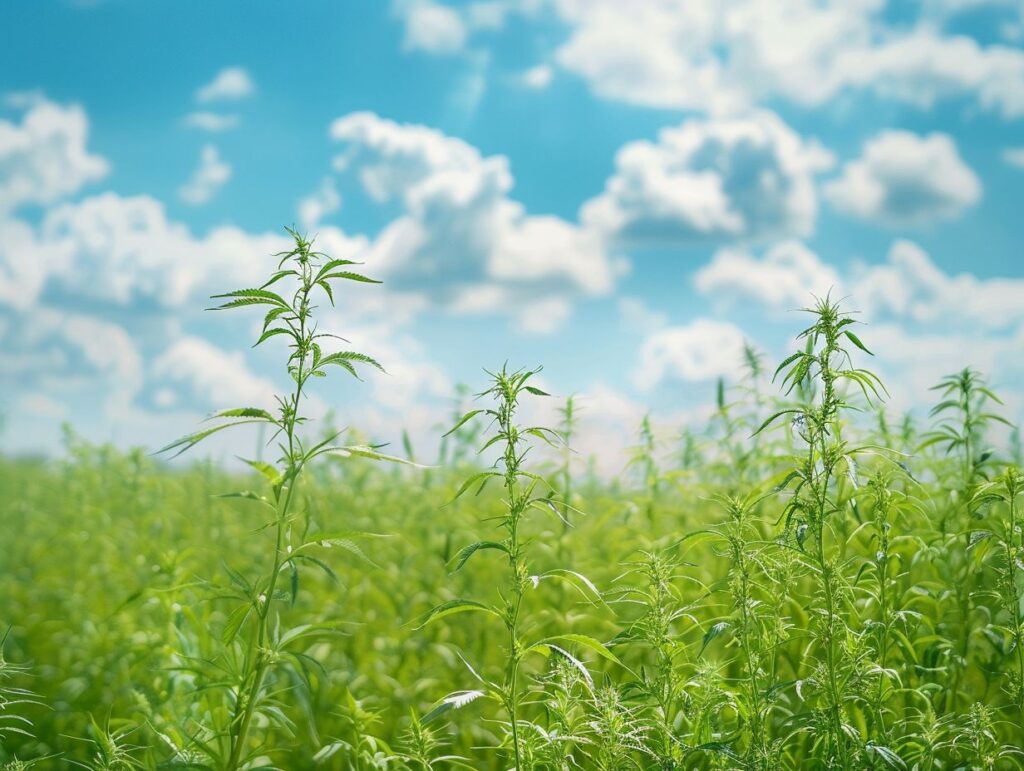
A significant environmental benefit of hemp farming is the reduced need for pesticides due to the plant’s natural resistance to pests. This leads to pollution prevention and supports sustainable practices in agriculture, aligning with principles of regenerative agriculture.

By minimizing the use of synthetic pesticides, hemp farming helps to safeguard water and soil quality, thereby reducing the risk of pollution in these vital resources. The cultivation of hemp encourages a holistic approach to farming, promoting biodiversity and soil health through regenerative agriculture techniques like crop rotation and cover cropping. These sustainable practices not only benefit the environment but also contribute to the overall resilience and productivity of agricultural systems.

Water Conservation

Hemp farming aids in water conservation through its efficient water usage and minimal irrigation requirements, contributing to the preservation of natural resources and promoting clean air quality. The cultivation of hemp minimizes water wastage and supports environmental sustainability.

Hemp’s deep root system helps prevent soil erosion and maintains soil quality, which in turn plays a vital role in water filtration and retention. By absorbing harmful pollutants from the soil and air, hemp contributes to cleaner air quality, making it not just a valuable crop for various industries but also a crucial ally in the ongoing battle for a healthier environment.

How Does Hemp Farming Compare to Other Crops?

When compared to traditional crops like cotton, corn, and soybeans, hemp farming emerges as a sustainable alternative with numerous environmental benefits. Its cultivation embodies sustainable solutions and practices that address various ecological challenges.

One key aspect that sets hemp farming apart is its ability to thrive with minimal water usage compared to water-intensive crops like cotton. This aspect is crucial in regions facing water scarcity, where traditional crops often strain local water resources.

Hemp’s deep root system helps prevent soil erosion and promotes soil health, reducing the need for chemical fertilizers. By rotating hemp with other crops, farmers can also improve soil biodiversity and decrease pest pressures naturally, fostering a more sustainable agricultural ecosystem.

Hemp vs. Cotton

In the comparison between hemp and cotton farming, hemp stands out for its production of sustainable textiles and natural fibers that contribute to green innovation. The use of hemp in textile manufacturing signifies a shift towards eco-friendly and innovative practices.

Hemp cultivation requires significantly less water compared to cotton, making it a more sustainable choice for textile production. Hemp plants have natural pest-resistant properties, reducing the need for harmful pesticides. The versatility of hemp fibers allows for the creation of durable and long-lasting textiles that are also biodegradable. This aligns well with the growing demand for eco-conscious products in the fashion and textile industries, driving forward the trend of using natural fibers for a more environmentally-friendly future.

Hemp vs. Corn

When comparing hemp and corn farming, hemp demonstrates potential for biofuel production, which aligns with the transition towards clean energy sources. Hemp cultivation offers low-impact farming methods that support sustainable energy solutions.

Hemp’s versatility in biofuel production means it can be a key player in reducing carbon emissions. The process of converting hemp into biofuels requires less energy and produces fewer greenhouse gas emissions compared to traditional fossil fuels. This contributes to the overall efforts to combat climate change and promote environmental sustainability. The sustainable farming practices associated with hemp cultivation, such as minimal pesticide use and soil enhancement, make it an attractive option for those seeking environmentally friendly alternatives in the agricultural sector.

Hemp vs. Soybeans

In the context of hemp versus soybeans, hemp farming showcases the principles of a circular economy by promoting sustainable land management practices and the production of eco-friendly materials. Hemp cultivation contributes to the development of sustainable materials within a circular economic framework.

On the other hand, soybean cultivation, although valuable in its own right, does not present the same versatility in fostering a circular economy. Hemp’s ability to thrive in various climates and soil types makes it a robust crop choice for sustainable agriculture. Hemp’s fast growth rate and minimal need for pesticides or herbicides further highlight its eco-friendly characteristics, making it a promising candidate for the creation of sustainable materials in industries ranging from textiles to construction.

What Are the Challenges of Hemp Farming?
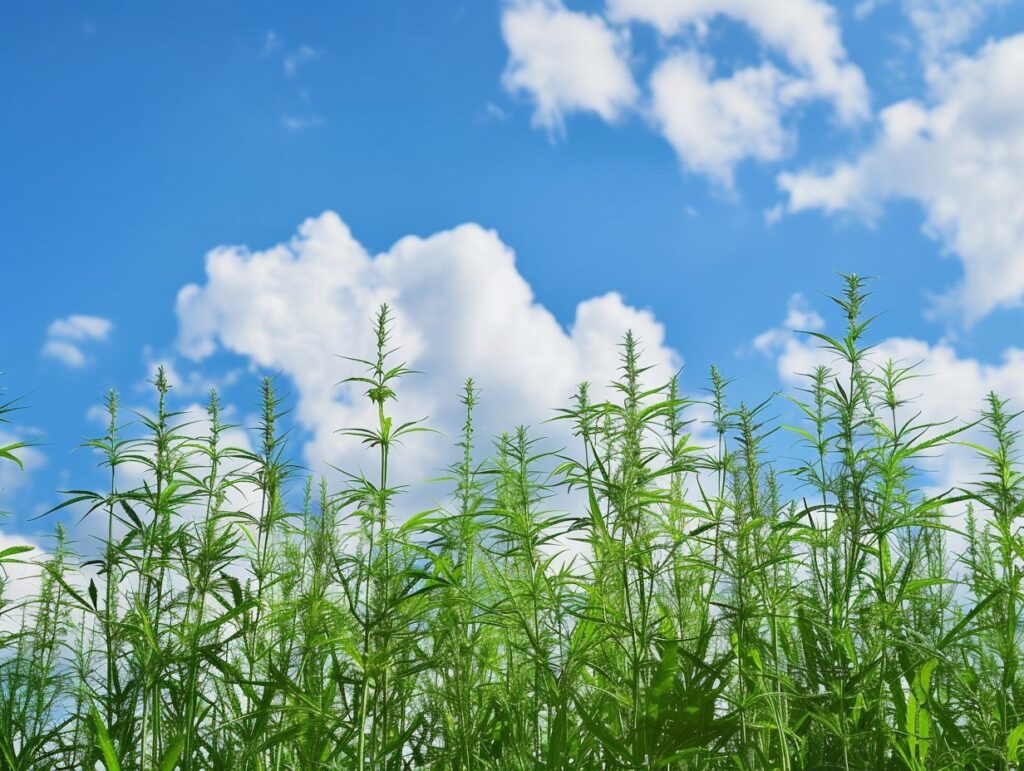
Despite its environmental benefits, hemp farming faces challenges such as legal restrictions and inadequate infrastructure that hinder its widespread adoption. The limited availability of seeds and labor-intensive nature present obstacles to the industry.

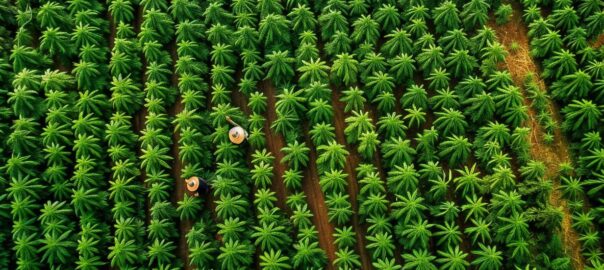
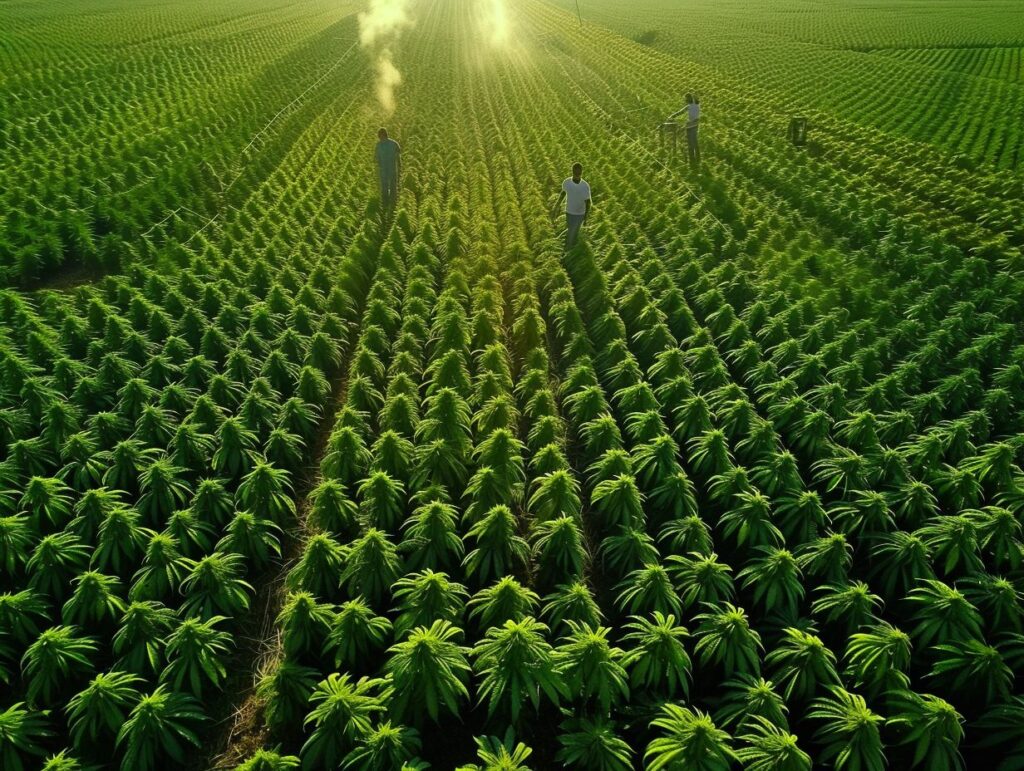
The legal constraints surrounding hemp cultivation vary from country to country, with regulations often being complex and subject to change. These restrictions can make it difficult for farmers to navigate the necessary permits and licenses, thereby delaying or impeding their operations. The lack of proper infrastructure, such as processing facilities and transportation networks, makes it challenging for hemp growers to bring their products to market efficiently. This infrastructure deficiency adds costs and logistical complications, further straining the viability of hemp farming ventures.

Legal Restrictions

The legal restrictions surrounding hemp farming necessitate a shift towards ethical farming practices that align with conservation efforts and environmental stewardship.

By embracing ethical farming methods, farmers can contribute to the overall health of the ecosystem and protect natural resources for future generations. Upholding environmental stewardship is not only a legal requirement but also a moral obligation to preserve the integrity of the land.

Through sustainable cultivation practices, such as crop rotation and minimal pesticide usage, hemp farmers can reduce their environmental impact and promote biodiversity in the agricultural landscape. By prioritizing ethical farming and environmental stewardship, the hemp industry can set a positive example for sustainable agriculture and land stewardship.

Lack of Infrastructure

The lack of infrastructure for hemp farming poses challenges to ecosystem restoration and sustainable consumption practices. Addressing this issue requires a collective effort towards promoting green living and sustainable agricultural practices.

  1. Inadequate infrastructure can hinder the effective cultivation and processing of hemp, which are vital components in transitioning towards more sustainable consumption patterns.
  2. By investing in proper infrastructure such as research facilities, processing plants, and transportation networks, we can support the growth of the hemp industry and promote eco-friendly practices.
  3. Embracing green living principles in farming not only benefits the environment but also creates a healthier ecosystem for future generations.
  4. It is crucial for policymakers, farmers, and consumers to work together in implementing sustainable solutions that can drive positive changes in hemp farming and beyond.

Limited Seed Availability

The limited availability of hemp seeds presents obstacles to land rehabilitation initiatives and the development of green design solutions. Encouraging sustainable packaging practices requires overcoming the challenge of seed scarcity in hemp farming.

This scarcity not only hampers efforts to restore degraded landscapes through the cultivation of hemp but also impedes the integration of sustainable materials in innovative design processes. Green designers face the dilemma of sourcing adequate hemp seeds for their eco-friendly products, hindering the widespread adoption of environmentally conscious practices. By addressing the seed availability issue, the industry can unlock new possibilities for utilizing hemp in green architecture, product packaging, and other sustainable solutions.

Labor Intensive

The labor-intensive nature of hemp farming demands a commitment to responsible production methods that align with green building standards and the utilization of recyclable materials.

Overcoming the labor challenges necessitates a focus on sustainable practices and resource efficiency. Implementing innovative techniques like drip irrigation systems and using natural fertilizers can help reduce labor inputs while promoting eco-friendly cultivation. Investing in renewable energy sources such as solar panels for powering farming equipment contributes to reducing the carbon footprint associated with hemp cultivation.

Embracing a circular economy approach by integrating closed-loop systems and upcycling waste materials further enhances the sustainability of hemp farming operations.

What Is the Future of Hemp Farming?

The future of the hemp industry holds promise for technological innovations and advancements in green practices that can significantly impact the environment. As hemp becomes increasingly recognized for its benefits, the industry is poised for growth and positive environmental contributions.

Incorporating green technology in hemp production processes can lead to reduced carbon emissions and water usage, aligning with the growing demand for sustainable practices. Advancements in eco-friendly hemp cultivation methods, such as regenerative agriculture and organic farming practices, could further enhance the industry’s environmental impact. As consumers prioritize environmentally conscious products, the adoption of green technologies in the hemp industry not only meets market demands but also sets a precedent for other sectors to embrace sustainability and contribute to a cleaner, greener future.

Frequently Asked Questions
What are the environmental benefits of hemp farming?

Hemp farming has numerous environmental benefits, including soil remediation, water conservation, and carbon sequestration. It is also a sustainable and eco-friendly crop that requires little to no pesticides or fertilizers.

How does hemp farming help with soil remediation?

Hemp is a natural bioaccumulator, which means it absorbs toxins and heavy metals from the soil. This process helps to remediate contaminated soil and makes it suitable for future crop growth.

What impact does hemp farming have on water conservation?

Hemp requires significantly less water to grow compared to other crops, making it an ideal option for areas with water scarcity. Additionally, it helps to prevent erosion and promotes healthier soil, which can improve water quality.

Why is hemp farming considered a sustainable and eco-friendly practice?

Hemp is a renewable resource that grows quickly and can be used for various purposes, such as clothing, building materials, and biofuels. It also requires fewer resources to grow, making it a more sustainable alternative to other crops.

How does hemp farming contribute to carbon sequestration?

Hemp absorbs high levels of carbon dioxide from the atmosphere during its growth cycle, making it an effective tool for mitigating climate change. It also has a deep root system, which helps to improve soil health and store carbon in the ground.

Does hemp farming have any benefits for wildlife?

Hemp farming can benefit wildlife in several ways. The plant provides a habitat for various beneficial insects, and its deep root system helps to prevent soil erosion and promote biodiversity. Additionally, hemp farming does not require the use of harmful pesticides, which can protect pollinators and other wildlife species.
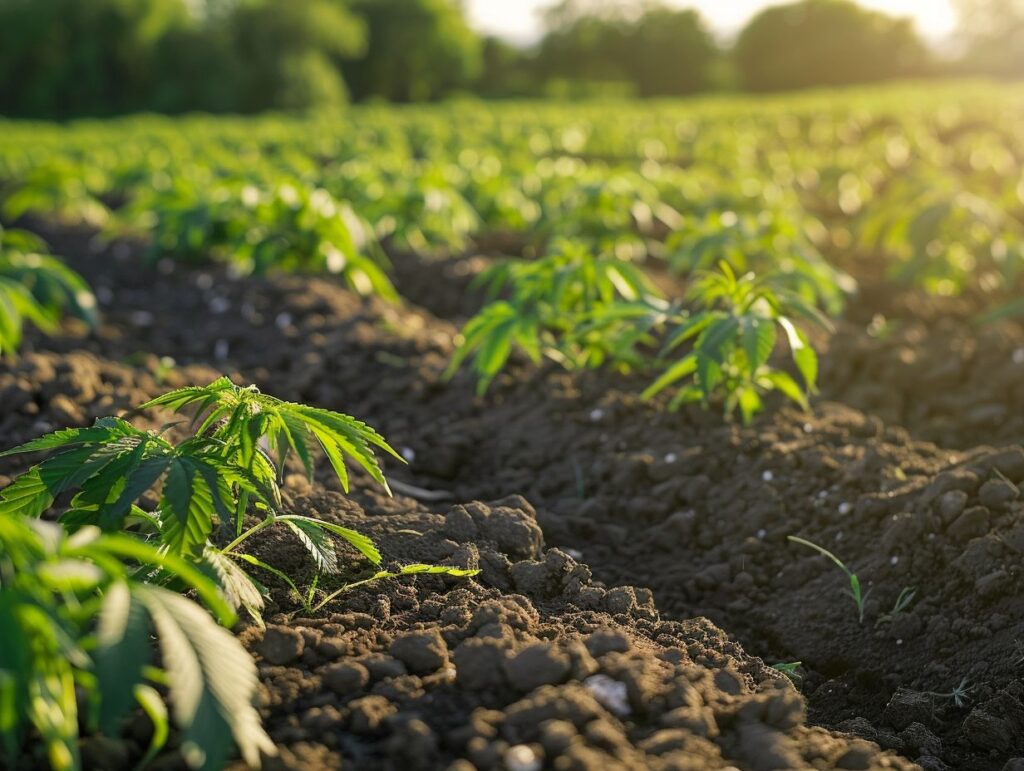
The Basics of Hemp Cultivation & Pest Management

Curious about hemp cultivation practices? This article covers all you need to know to successfully grow hemp, from soil requirements to pest and disease management.

Discover the history of hemp cultivation, the best soil types and nutrients needed, and how to prepare your soil for planting. Learn about common pests and diseases to watch out for, as well as natural and chemical pest management techniques.

Find out the best practices for planting, maintaining optimal growing conditions, and harvesting your hemp crop.

What is Hemp Cultivation?

Hemp cultivation refers to the process of growing and harvesting hemp plants for various purposes such as fiber, seed, or CBD production. It involves a series of agricultural practices that ensure the healthy growth and development of the hemp crop.

These practices are essential for sustainable agriculture as hemp is known for its versatility and eco-friendly properties. Organic farming techniques play a crucial role in hemp cultivation, emphasizing the use of natural fertilizers and pest control methods to maintain soil health and biodiversity. Crop rotation is often employed to prevent soil depletion and disease outbreaks, while proper irrigation and weed management help optimize crop yield. Harvesting techniques vary depending on the intended end product, whether for fiber production, seed processing, or extracting CBD oil.

What is the History of Hemp Cultivation?

The history of hemp cultivation dates back thousands of years, with evidence of its use in various civilizations for fiber, food, and medicinal purposes. Hemp farming has evolved over time, adapting to changing agricultural practices and environmental considerations.

Throughout history, hemp played a crucial role in the development of societies, providing a sustainable source of materials for textiles, oils, and therapeutic remedies. Cultivating hemp was a skill passed down through generations, with farmers meticulously tending to their crops.

This practice not only sustained communities but also had a positive impact on the environment, as hemp is known to enrich soil health and promote biodiversity. As farming techniques advanced, so did the cultivation of hemp, leading to increased yields and more efficient production methods.

What are the Soil Requirements for Hemp Cultivation?

The success of hemp cultivation largely depends on meeting specific soil requirements that are conducive to the growth of healthy hemp plants. Understanding the optimal soil conditions is crucial for maximizing crop yield and quality.

One key aspect of soil requirements for hemp cultivation is nutrient management. Hemp plants require a balanced mix of essential nutrients, including nitrogen, phosphorus, potassium, calcium, magnesium, and sulfur.

Maintaining proper nutrient levels in the soil is vital for healthy plant growth and development. Soil health plays a significant role in hemp cultivation. Healthy soil with high organic matter content promotes beneficial microbial activity, which aids in nutrient uptake by the plants.

The composition of the soil, its pH levels, and drainage are other critical factors that influence the overall quality of the soil for successful hemp production.

What Type of Soil is Best for Hemp Cultivation?

The best soil for hemp cultivation is well-drained loamy soil with a pH level between 6 and 7, rich in organic matter and essential nutrients. Optimal soil composition plays a vital role in promoting pest resistance and ensuring the overall health of hemp plants.

The pH level of the soil is crucial as it influences nutrient availability; a pH range of 6 to 7 is ideal for hemp growth. Well-drained loamy soil prevents waterlogging, which is essential to avoid root rot and other water-related issues. Organic matter in the soil provides essential nutrients and promotes microbial activity, contributing to better soil health. These components combined create an environment that naturally deters pests, reducing the need for chemical intervention and supporting sustainable hemp farming practices.

What are the Nutrient Requirements for Hemp Cultivation?

Proper nutrient management is essential for successful hemp cultivation, with plants requiring a balanced supply of essential nutrients such as nitrogen, phosphorus, and potassium. Understanding plant nutrition and implementing appropriate soil amendments are key factors in optimizing hemp growth.

These essential nutrients play critical roles in different aspects of hemp development. Nitrogen, for instance, is vital for leafy growth and overall plant vigor, while phosphorus supports root development and flowering. Potassium helps improve disease resistance and enhances nutrient uptake efficiency.

In addition to these macronutrients, hemp also benefits from micronutrients like calcium, magnesium, and sulfur to ensure healthy growth and optimal nutrient absorption. Maintaining soil fertility through organic matter additions, cover cropping, and proper pH levels is essential for sustaining long-term hemp production and maximizing yield potential.

How to Prepare the Soil for Hemp Cultivation?

How to Prepare the Soil for Hemp Cultivation?

Preparing the soil for hemp cultivation involves thorough soil testing to assess nutrient levels and pH, followed by appropriate fertilization and amendments to enhance soil health. Ensuring the soil is properly conditioned sets the foundation for successful hemp growth.

To begin the process of soil preparation, start by conducting a comprehensive soil test to determine the existing nutrient composition and pH levels. This step is crucial as it helps in understanding the specific needs of the soil and the hemp plants that will be cultivated. Once the soil analysis results are obtained, select suitable fertilizers that address any deficiencies and adjust the pH if necessary. Incorporating organic matter, such as compost or well-rotted manure, can significantly improve soil structure and nutrient retention. Regularly rotating cover crops can also aid in enriching the soil with essential nutrients and reducing soil erosion.

How to Manage Pests and Diseases in Hemp Cultivation?

Effective pest and disease management is critical in hemp cultivation to ensure high crop yields and plant health. Implementing integrated pest management strategies and disease resistance practices are essential for minimizing the impact of pests and diseases on hemp crops.

Pest resistance plays a crucial role in safeguarding hemp plants from common pests like mites, aphids, and caterpillars. By cultivating hemp varieties with natural resistance to specific pests, farmers can reduce the need for chemical interventions.

Integrated pest management involves a combination of biological controls, cultural practices, and targeted pesticide use when necessary. Regular monitoring for signs of pest infestations and diseases allows for early detection and prompt treatment, preventing potential crop losses.

Prioritizing prevention through proactive pest and disease management practices can lead to healthier hemp plants and improved overall yield.

What are the Common Pests in Hemp Cultivation?

Common pests that can affect hemp cultivation include aphids, spider mites, and caterpillars, which can cause significant damage to hemp plants if not managed effectively. Regular pest monitoring and implementing appropriate control strategies are crucial for pest management.

Aphids are small, soft-bodied insects that feed on the sap of hemp plants, leading to stunted growth and distorted leaves. Spider mites, on the other hand, can cause yellow stippling on leaves due to their feeding behavior. Caterpillars can chew through leaves and flowers, affecting the overall plant health.

Effective pest monitoring techniques involve scouting fields regularly, inspecting plants for signs of infestation, and using sticky traps to capture flying pests. Implementing pest control strategies such as introducing natural predators or using botanical insecticides can help manage pest populations and protect hemp crops.

What are the Natural Pest Management Techniques for Hemp Cultivation?

Natural pest management techniques in hemp cultivation involve utilizing beneficial insects, natural predators, and biological control agents to regulate pest populations without the use of synthetic chemicals. These eco-friendly methods help maintain pest balance in the hemp ecosystem.

By encouraging the presence of natural enemies that feed on hemp pests, such as ladybugs, lacewings, and predatory mites, farmers can effectively reduce pest damage while avoiding the negative impacts of chemical pesticides on the environment and human health.

These beneficial insects act as biological control agents, preying on harmful pests like aphids, caterpillars, and mites, thereby promoting a sustainable and natural approach to pest management in hemp fields.

Integrating diverse plant species in and around hemp crops also attracts beneficial insects, enhancing biodiversity and strengthening the ecosystem’s resilience to pest outbreaks.

What are the Chemical Pest Management Techniques for Hemp Cultivation?

Chemical pest management techniques in hemp cultivation involve the use of pesticides, herbicides, and fungicides to control pest infestations and diseases. While these methods can be effective, they require careful application to minimize environmental impact.

  1. When using pesticides, growers must consider factors such as the type of pests targeted, application timing, and dosage to avoid unintended harm to beneficial insects and surrounding ecosystems.
  2. Herbicides play a crucial role in managing weed growth, but their indiscriminate use can lead to soil degradation and water contamination.
  3. Similarly, fungicides help prevent fungal diseases, but excessive or improper use may contribute to pesticide resistance and harm non-target organisms.

Therefore, adopting integrated pest management practices and employing these chemicals judiciously are essential for sustainable hemp cultivation.

How to Prevent and Manage Diseases in Hemp Cultivation?

How to Prevent and Manage Diseases in Hemp Cultivation?

Preventing and managing diseases in hemp cultivation involves implementing control methods against fungal infections, adopting preventive measures, and timely treatment interventions to safeguard plant health. Disease resistance practices are key in mitigating the impact of diseases on hemp crops.

  1. By focusing on disease resistance, hemp farmers can lower the vulnerability of their crops to various pathogens, ultimately enhancing the overall crop yield and quality.
  2. Implementing crop rotation strategies can help break the disease cycle and reduce the buildup of pathogens in the soil.
  3. Incorporating resistant hemp varieties and spacing plants appropriately can further bolster the plant’s natural defenses against diseases, providing a more sustainable approach to disease prevention and management in hemp cultivation.

What are the Best Practices for Hemp Cultivation?

Adopting best practices in hemp cultivation is essential for maximizing crop protection, optimizing productivity, and enhancing overall yield quality. Implementing sustainable and agroecological approaches contributes to the long-term success of hemp farming.

By integrating sustainable practices into hemp cultivation, farmers can significantly reduce the reliance on synthetic inputs, minimize environmental impact, and foster biodiversity on their farms. Implementing crop rotation, cover cropping, and natural pest control methods not only improve soil health and fertility but also enhance the resilience of the crop to diseases and pests. Striving for a balance between ecological processes and agricultural productivity leads to sustainable yields and fosters a healthier farming ecosystem.

What is the Best Time to Plant Hemp?

The best time to plant hemp typically falls in the spring season when the soil temperature reaches around 50°F to 60°F, ensuring optimal growth conditions and reducing the risk of plant diseases. Rotating hemp crops with other plants helps maintain soil health and minimizes disease pressures.

During spring planting, farmers can take advantage of the soil’s warming trend, which is crucial for hemp seed germination and early root development. The mild temperatures promote vigorous growth, setting the stage for a successful harvest later in the year. By strategically rotating hemp cultivation with other crops like legumes or grains, farmers can break disease cycles and improve soil structure. This practice reduces the build-up of pathogens specific to hemp, reducing the need for chemical interventions and fostering a more sustainable farming ecosystem.

How to Maintain Optimal Growing Conditions for Hemp?

Maintaining optimal growing conditions for hemp involves efficient irrigation practices, effective weed control measures, and promoting soil health through sustainable agricultural practices. Environmental stewardship is key to ensuring a healthy and thriving hemp crop.

Implementing proper irrigation techniques is crucial to provide hemp plants with the necessary water without over-saturating the soil, which can lead to root rot and other issues. Drip irrigation systems or soaker hoses can help deliver precise amounts of water directly to the plant roots, conserving water and reducing the risk of fungal diseases.

In terms of weed management, practicing crop rotation and mulching can help suppress weed growth without the need for harmful chemical herbicides. Environmental conservation practices such as cover cropping and minimizing tillage not only help in weed control but also promote soil health by reducing erosion and improving organic matter content.

What are the Harvesting and Post-Harvesting Practices for Hemp?

Harvesting and post-harvesting practices for hemp involve meticulous planning to ensure optimal crop yields and quality. Utilizing cover crops and crop protection measures post-harvest helps maintain soil fertility and prepares the field for the next planting season.

It is crucial to harvest hemp at the right time to maximize cannabinoid content and prevent degradation of the plant. Timely harvesting ensures peak potency and quality in extracted compounds. Post-harvest, protecting the crop from pests and diseases is vital to safeguard the yield. Cover crops play a significant role in preserving soil health by preventing erosion and adding nutrients back into the soil. This cyclical method aids in sustainable farming practices, enhancing the overall productivity and longevity of the hemp cultivation process.

Frequently Asked Questions

What are the soil requirements for successful hemp cultivation?

Hemp plants require well-draining, fertile soil with a pH between 6.0-7.5. It is also important to have a good balance of nutrients, including nitrogen, phosphorus, and potassium.

How can I improve the soil quality for hemp cultivation?

You can improve the soil quality by adding organic matter, such as compost or manure, to the soil before planting. This will help provide essential nutrients and improve the soil’s structure and water retention.

What are some common pests and diseases that can affect hemp plants?

Some common pests that can affect hemp plants include aphids, spider mites, and cutworms. Diseases such as powdery mildew and root rot can also pose a threat to hemp plants.

How can I prevent pests and diseases from damaging my hemp crop?

One way to prevent pests and diseases is by practicing good crop rotation to avoid buildup of soil-borne pathogens. Additionally, using natural pest control methods, such as introducing beneficial insects, can help keep pest populations in check.

Can I use chemical pesticides on my hemp plants?

It is generally not recommended to use chemical pesticides on hemp plants, as they can leave harmful residues on the plant that may affect its quality. It is best to use natural pest control methods or consult with a professional for safe and effective alternatives.

What are some organic options for pest and disease management in hemp cultivation?

Some organic options for pest and disease management include using neem oil, garlic spray, and diatomaceous earth. These can help control pests and diseases without leaving harmful residues on the plant. It is important to always follow the recommended application rates and safety precautions when using any type of pest control.

Importance of Hemp in Agriculture

Hemp, a versatile and sustainable plant, has a long history in agriculture. From soil regeneration to natural pest control, hemp offers a range of benefits that set it apart from other crops.

We will explore the uses of hemp in agriculture, comparing it to traditional crops and discussing the challenges and controversies surrounding its cultivation.

Join us as we delve into the importance of hemp in agriculture and explore the promising future this plant holds in sustainable farming practices.

What is Hemp?

Hemp, a versatile and sustainable crop, has a long history in agriculture and is known for its numerous benefits and uses.

Its historical significance dates back centuries, with records showing its cultivation for food, fiber, and medicinal purposes. Farmers have valued hemp for its ability to thrive in diverse climates and require minimal pesticides and herbicides. This resilient plant can be used to produce textiles, paper, biofuels, and even biodegradable plastics. Its deep root system also makes it beneficial for soil health by reducing erosion and stimulating microbial activity.

As sustainability becomes a focal point in modern agriculture, the demand for hemp continues to rise as a key player in sustainable farming practices.

History of Hemp in Agriculture

Throughout history, hemp has played a crucial role in agriculture as a sustainable and versatile crop, offering immense benefits to farmers and ecosystems.

This resilient plant has been recognized for its ability to grow in various climates and soil types, requiring minimal maintenance and pesticides. Its deep root system helps prevent soil erosion and improves soil health, making it a valuable crop for sustainable farming practices.

Hemp’s economic importance cannot be understated, with its fibers, seeds, and oils being used in a diverse range of industries including textiles, food, and cosmetics. The cultivation of hemp has the potential to revolutionize farming methods by providing a profitable and eco-friendly crop alternative.

How has Hemp been Used in Agriculture Throughout History?

Hemp has been utilized in agriculture throughout history for its versatile applications, economic benefits, and positive impact on soil health and ecosystems.

From ancient times to the present day, farmers have valued hemp for its ability to produce fibers for textiles, oils for cooking and skincare, and seeds for food and animal feed.

The cultivation of hemp is a sustainable practice as it requires minimal water and pesticides compared to other crops, making it an environmentally friendly choice. Hemp plants have deep roots that aid in preventing soil erosion and restoring nutrients to the earth, promoting overall soil health and biodiversity in agricultural landscapes.

Benefits of Hemp in Agriculture

The benefits of incorporating hemp in agriculture are vast, including soil regeneration, carbon sequestration, biodiversity enhancement, and sustainable cultivation practices.

Hemp’s remarkable root system has the ability to break up compacted soil, improving water infiltration and reducing erosion. As a bio-accumulator, hemp can absorb toxins from the soil, acting as a natural purifier. Hemp cultivation requires minimal chemical inputs, promoting healthier ecosystems and reducing environmental impact. By rotating hemp crops, farmers can prevent soil degradation and promote biodiversity by providing habitat for beneficial insects and wildlife. Sustainable hemp cultivation practices contribute to a more resilient and ecologically balanced agricultural system.

Soil Regeneration

Hemp plays a crucial role in soil regeneration by improving soil health through its deep roots, efficient nutrient uptake, and biodegradable properties.

The cultivation practices of hemp involve minimal pesticide and fertilizer use, thereby reducing chemical runoff and soil contamination. Farmers who grow hemp often practice crop rotation, which helps in breaking pest cycles and improving soil structure. Hemp plants have the ability to suppress weeds, reducing the need for herbicides. When hemp is harvested, its residues can be incorporated back into the soil, enriching it with organic matter and promoting microbial activity for overall soil fertility.

Natural Pest Control

Hemp acts as a natural pest control agent, maintaining ecosystem balance and biodiversity by reducing the need for chemical pesticides in agricultural practices.

This sustainable cultivation practice involves utilizing the natural properties of hemp to repel pests, such as insects and weeds, without harming beneficial organisms. By minimizing the use of harmful chemicals, hemp contributes to the preservation of essential pollinators like bees and butterflies. Hemp cultivation supports a healthy soil ecosystem, fostering beneficial microbial activity and enhancing overall soil health. This holistic approach to pest management not only safeguards the environment but also promotes long-term sustainability in agriculture.

Carbon Sequestration

Hemp contributes to carbon sequestration, aiding in environmental preservation by absorbing carbon dioxide during its growth cycle and promoting carbon-neutral production practices.

Hemp’s rapid growth and deep root system make it an efficient carbon sink, pulling in large amounts of CO2 from the atmosphere. This process helps to offset greenhouse gas emissions, ultimately mitigating the impacts of climate change. By choosing hemp-based products over conventional alternatives, individuals can actively support sustainable practices and contribute to a healthier planet. The versatility of hemp also extends to its ability to be used in various industries, offering a renewable and eco-friendly alternative to resource-intensive materials.

Diversification of Crops

Hemp promotes the diversification of crops in agriculture, fostering innovation and adaptation to changing environmental conditions for sustainable farming practices.

This versatile plant is known for its ability to grow in a variety of environments, making it a valuable addition to crop rotations. By including hemp in farming operations, farmers can improve soil health, reduce pests and diseases, and even enhance biodiversity on their land. The introduction of hemp into crop rotations not only helps to break cycles of monoculture that can deplete soil nutrients but also provides new opportunities for farmers to explore different markets and products. Hemp plays a crucial role in moving agriculture towards a more sustainable and resilient future.”

Uses of Hemp in Agriculture

Hemp finds diverse applications in agriculture, ranging from fiber production for textiles to seeds for the food industry and extraction of medicinal compounds.

Beyond these commonly known uses, hemp also plays a crucial role in sustainable farming practices. Its deep root system helps to prevent soil erosion and improve soil health, making it an excellent rotational crop. Hemp can be used in the manufacturing of biodegradable plastics, building materials, and biofuels, showcasing its versatility in reducing environmental impact.

The crop’s fast growth rate and minimal need for pesticides further contribute to its appeal as an eco-friendly option for farmers in various industries.

Hemp Fiber

Hemp fiber is a valuable resource in agriculture, known for its versatility in textile production and industrial applications.

It provides numerous benefits beyond just being a sustainable and eco-friendly alternative to traditional fibers. Hemp cultivation requires minimal water and pesticides, making it a highly sustainable crop. The fiber derived from hemp plants is strong, durable, and biodegradable, making it an ideal choice for various industries, including clothing, paper, construction, and even automotive manufacturing.

Hemp fiber has excellent insulating properties, which makes it a preferred material for creating environmentally friendly building materials. The versatility of hemp fiber contributes significantly to the move towards more sustainable and environmentally conscious practices across industries.

Hemp Seeds

Hemp seeds are rich in nutrition and offer various health benefits, in addition to their potential for biofuel production.

Loaded with essential fatty acids, protein, and minerals, hemp seeds are a powerhouse of nutrition. They are a great source of omega-3 and omega-6 fats, providing a perfect balance for a healthy heart. They contain high-quality plant-based protein, making them a valuable addition to vegetarian and vegan diets. Hemp seeds are also rich in vitamins and minerals like vitamin E, magnesium, phosphorus, and potassium, contributing to overall well-being. Their versatility extends to eco-friendly biofuel production, offering a sustainable and renewable energy source.

Hemp Oil

Hemp oil is a valuable product in the food industry, recognized for its health benefits and wellness properties.

It is rich in essential fatty acids like omega-3 and omega-6, which are beneficial for heart health and reducing inflammation. Hemp oil is a great source of antioxidants and vitamins, further enhancing its nutritional value. Many chefs and food manufacturers are incorporating hemp oil into their recipes to offer consumers a healthier alternative. Its mild nutty flavor adds a pleasant taste to various dishes, making it a versatile ingredient for both savory and sweet creations.

Hemp Biomass

Hemp biomass provides a sustainable resource for various applications, offering an alternative to traditional resources and promoting biodegradable solutions.

It plays a vital role in resource efficiency by requiring less water and pesticides compared to many other crops, making it an environmentally friendly choice. Hemp biomass can be utilized in the production of biofuels, textiles, construction materials, and even as an ingredient in eco-friendly plastic alternatives. Its biodegradable nature ensures that products made from hemp will not contribute to long-term environmental pollution, further enhancing its appeal as a sustainable resource.

Hemp vs. Other Agricultural Crops

Comparing hemp with other agricultural crops reveals its potential for growth, market demand, ongoing research, and innovative applications.

While traditional crops have long been pillars of agricultural production, hemp stands out for its versatile nature that extends beyond traditional uses such as food and textiles. The increasing demand for hemp-derived products like CBD oil has sparked a wave of interest in cultivating hemp for its medicinal properties. Researchers are exploring the potential of hemp in sustainable building materials, biofuels, and even as a replacement for plastics, indicating a promising future for this once underutilized crop.

Water Usage

Hemp shows promise in reducing water usage in agriculture, promoting sustainability through efficient resource utilization and adaptability to changing environmental conditions.

This versatile plant requires significantly less water compared to many crops, making it a valuable option for water-conscious farming practices. By efficiently utilizing resources and thriving in various climates, hemp contributes to sustainable agriculture practices that minimize water waste and promote environmental stewardship. Its ability to adapt to different soil types and climates further enhances its appeal for farmers looking to decrease their water footprint while maintaining productivity. Hemp’s sustainable characteristics align with the growing global emphasis on environmental responsibility and resource efficiency in agriculture.

Pesticide and Herbicide Use

Hemp farming minimizes the need for pesticides and herbicides, contributing to a healthier environment and promoting organic farming practices.

By requiring less chemical intervention, hemp crops also help in maintaining soil health and biodiversity. The elimination of synthetic pesticides and herbicides in hemp cultivation leads to cleaner water sources and reduced chemical runoff. This is particularly crucial in sustaining fragile ecosystems and protecting wildlife populations. The practice of organic farming supported by hemp cultivation encourages sustainable agricultural methods that prioritize long-term soil fertility and overall ecosystem resilience.

Nutrient Depletion

Hemp cultivation mitigates nutrient depletion in the soil, enhancing soil health through organic farming practices and sustainable agricultural techniques.

By harnessing the natural benefits of hemp cultivation, farmers can restore the vital nutrients in the soil, ensuring long-term sustainability for future crops. The deep root system of hemp facilitates nutrient uptake and reduces the risk of soil erosion, making it an environmentally-friendly choice for agricultural practices. The use of organic methods in hemp farming avoids the harmful effects of synthetic chemicals, promoting a healthier ecosystem. This shift towards sustainable agriculture not only benefits the soil but also contributes to overall environmental wellbeing.

Land Usage

Hemp cultivation optimizes land usage by offering high yields per acre, supporting organic farming principles and showcasing a relatively short growth cycle.

This makes hemp a sustainable and environmentally friendly crop choice, especially for farmers looking to maximize productivity while minimizing environmental impact. With its efficient use of resources and ability to thrive in diverse climates, hemp stands out as a versatile and resilient plant option.

Its rapid growth cycle allows for multiple harvests within a single growing season, further boosting its overall output potential. Hemp’s land utilization efficiency, coupled with its numerous benefits, make it a highly attractive option for farmers seeking both profitability and sustainability in their operations.

Challenges and Controversies Surrounding Hemp in Agriculture

Despite its numerous benefits, hemp faces challenges and controversies in agriculture, primarily related to regulations, legal restrictions, and misconceptions.

Regulatory challenges surrounding the cultivation of hemp include varying rules from state to state, making it difficult for farmers to navigate the legal landscape. Concerns about the potential misuse of hemp for drug production have led to stringent regulations that hinder its widespread adoption. Misconceptions about hemp being synonymous with marijuana also pose a significant barrier, despite the fact that hemp contains minimal levels of THC, the psychoactive compound found in marijuana.

Addressing these obstacles requires a comprehensive approach that tackles legal frameworks, educates the public, and promotes the benefits of incorporating hemp into agricultural practices.

Legalization and Regulation

Legalization and regulation issues impact the growth of hemp in agriculture, requiring supportive policies and regulatory frameworks for sustainable development.

It is crucial to recognize the potential benefits that hemp cultivation can bring to various industries, including textiles, biofuels, and construction. By implementing well-designed policies and regulations, the industry can flourish while also addressing environmental concerns and promoting economic stability.

Proper oversight and compliance measures are essential to ensure that the quality and safety of hemp products meet industry standards and consumer expectations. Policymakers and regulators must work together to create a conducive environment that fosters innovation, investment, and responsible practices in the hemp sector.

Confusion with Marijuana

Confusion between hemp and marijuana poses challenges due to lack of awareness and education about the distinct properties and uses of these plants.

Many people incorrectly assume that hemp and marijuana are the same because they both come from the cannabis plant family. The key difference lies in their chemical compositions. Hemp contains very low levels of tetrahydrocannabinol (THC), the psychoactive compound responsible for the ‘high’ associated with marijuana.

Hemp is primarily used for industrial purposes, such as making textiles, paper, and building materials, while marijuana is known for its recreational and medicinal properties. Understanding these distinctions is crucial in advocating for the legalization and proper regulation of both hemp and marijuana products.

Lack of Infrastructure

The lack of infrastructure hinders hemp agriculture, necessitating investments in resources, technology, and infrastructure development to support its growth.

Inadequate infrastructure for hemp cultivation presents various challenges, ranging from inefficient production processes to limited market access due to transportation constraints. Without the essential resources and technology, farmers face difficulties in achieving optimal yields and quality standards. The absence of proper infrastructure such as processing facilities and transportation networks impedes the entire supply chain, affecting distribution and overall market competitiveness. As the hemp industry continues to expand, investing in building a robust infrastructure becomes crucial for sustainable growth and increased productivity.

Opposition from Traditional Agricultural Industries

Opposition from traditional agricultural sectors presents hurdles to hemp adoption, impacting rural economies, employment opportunities, and industry innovation.

This resistance towards hemp, often perpetuated by misconceptions and outdated attitudes, places significant constraints on the potential growth of the industry. Such pushback not only limits the diversification of crops that could revitalize rural economies but also hampers the creation of new employment avenues that hemp cultivation could offer.

In order to overcome these challenges, there is a pressing need for collaborative efforts between hemp advocates, policymakers, and traditional agricultural stakeholders to foster a climate of acceptance and spur innovation in this burgeoning sector.

The Future of Hemp in Agriculture

The future of hemp in agriculture is promising, with vast opportunities, evolving market trends, and a focus on sustainability driving its growth and development.

As environmentally conscious practices gain traction in the agricultural sector, the versatile nature of hemp positions it as a sustainable alternative for various industries. With increasing awareness about the benefits of hemp cultivation, farmers are exploring innovative ways to incorporate it into their crop rotations. This shift towards embracing hemp signifies a shift towards a greener, more sustainable future in agriculture. The rising demand for hemp-based products, such as textiles, biofuels, and construction materials, further underscores the potential for hemp to revolutionize multiple sectors.

Frequently Asked Questions

What is hemp and why is it important in agriculture?

Hemp is a plant that has been used for thousands of years for various purposes, including food, fiber, and medicine. In agriculture, hemp is important because it offers a sustainable and versatile crop that can be used for a variety of products.

What are the benefits of growing hemp in agriculture?

There are many benefits to growing hemp in agriculture. It is a low-maintenance crop that requires minimal water and pesticides, making it a cost-effective and environmentally friendly option. It also has a wide range of uses, from food and textiles to industrial materials and biofuels.

How does hemp contribute to sustainable agriculture?

Hemp is considered a highly sustainable crop because it can grow in a wide range of climates and soil types, reducing the need for land and resources. It also has a deep root system that helps prevent soil erosion and can be grown without the use of harmful chemicals.

What role does hemp play in crop rotation?

Hemp is an excellent rotational crop because it helps replenish nutrients in the soil and reduces the risk of pest and disease buildup. Its deep root system also helps break up compacted soil, allowing for better drainage and aeration for future crops.

How does hemp benefit the economy in agriculture?

Hemp has a wide range of uses in various industries, making it a profitable crop for farmers. It also has a short growing cycle and high yield, providing a quick return on investment. Additionally, the demand for hemp products is on the rise, creating new job opportunities and boosting the economy.

What are the regulations surrounding hemp cultivation in agriculture?

The cultivation of hemp is regulated by government agencies, such as the Department of Agriculture and the Drug Enforcement Administration. These regulations ensure that hemp is grown safely and responsibly, adhering to legal limits of THC content. It is important for farmers to stay informed and comply with these regulations to avoid any legal issues.